I switched to cast iron to get the plastics out of my cooking — here's what a month taught me
My old nonstick pans were scratched and shedding who-knows-what. I replaced them with one bare cast-iron skillet — no coating at all — and cooked on it daily for a month. Honest results.

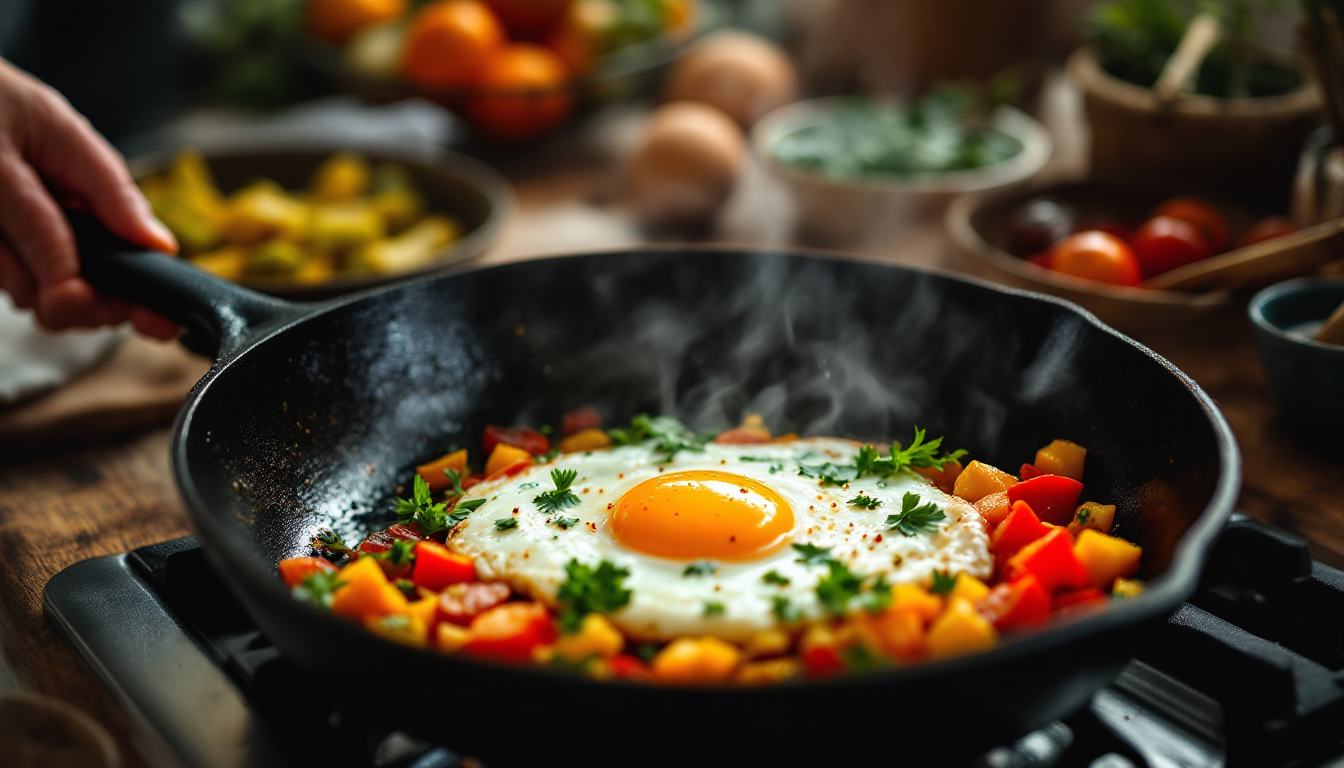
- No synthetic coating at all — nothing to scratch, flake, or shed (no PFAS, PTFE, microplastics)
- Naturally nonstick once seasoned — eggs and fish release clean
- Holds and spreads heat for a real sear · stove, oven, grill, even the campfire
- Cooking in it can add a little natural dietary iron to your food · 30-day money-back guarantee
Why I finally made the switch
I'd been quietly bothered for a while: my "nonstick" pans were scratched to the point that flakes were clearly going somewhere, and the more I read about microplastics and synthetic coatings, the less I wanted them in the pan that touches my family's food every day. Cast iron solves that in the most low-tech way possible — there's no coating at all. It's just seasoned metal, the way people cooked for centuries. The SkilletCo kept coming up, so I put my fancier pans in a drawer and used it for everything.
The egg test (where I expected to fail)
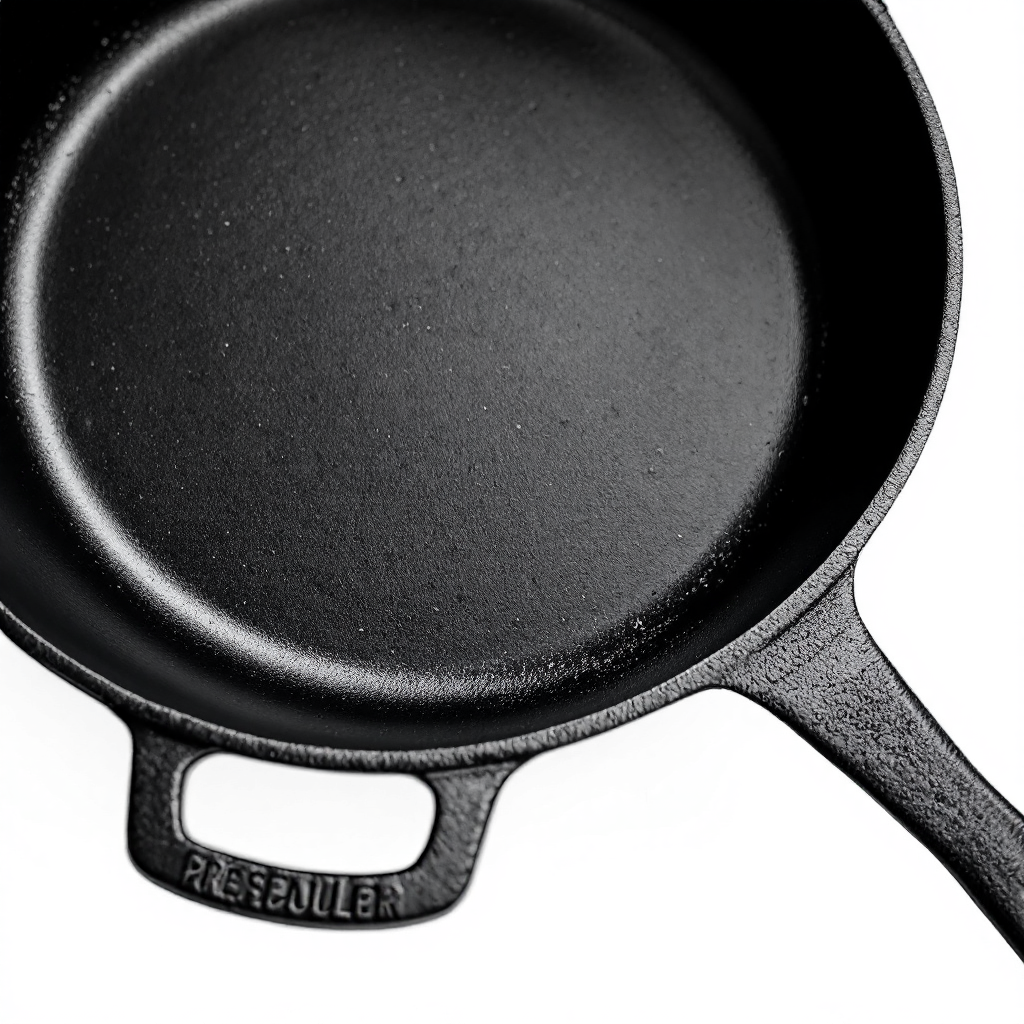
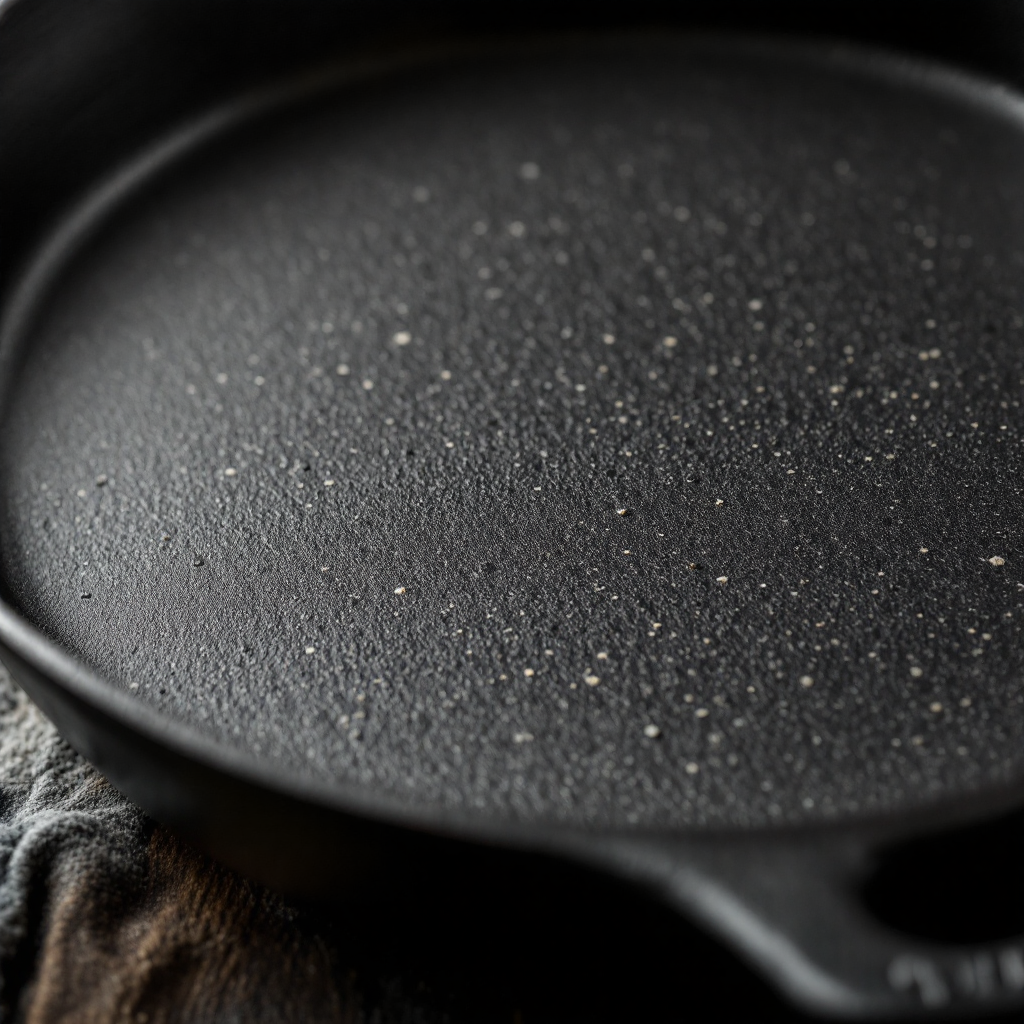
Everyone warns you that eggs stick to cast iron. With a properly seasoned pan and a little fat, mine slid right out — not quite Teflon-effortless on week one, but clean. And it got better every week as the seasoning built. That's the opposite of nonstick pans, which only get worse.
A month of real cooking
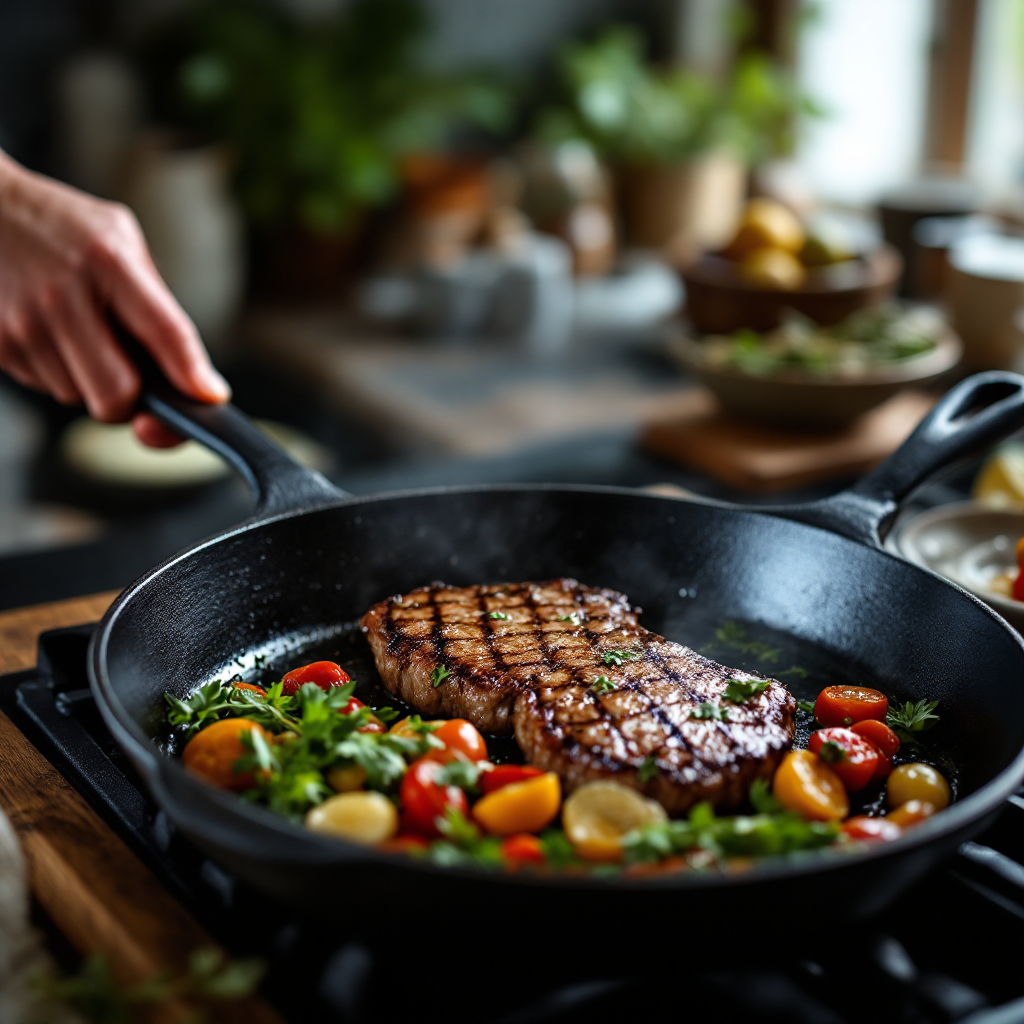
This is where cast iron earns it. The heavy base gives a deep, even sear you simply can't get from a thin nonstick pan — steaks, cornbread, roasted vegetables, all better. It goes from stovetop to oven without a thought. And there's a quiet bonus: cooking in cast iron can add a small amount of natural dietary iron to your food, especially with acidic dishes. Not a supplement — just a nice side effect of cooking on actual iron.
The honest downsides
It's not magic. It's heavier than a nonstick pan, you don't leave it soaking in the sink, and you give it a quick wipe of oil after washing. That's the whole "maintenance." For me, a thirty-second habit in exchange for a coating-free pan that lasts forever was an easy trade.
Nothing to shed
No coating means no PFAS, PTFE or microplastics leaching into food.
Naturally nonstick
A seasoned surface releases food — and improves with use.
A little natural iron
Cooking in cast iron can add a small amount of dietary iron.
Lasts generations
It doesn't wear out — re-season and it outlives every nonstick pan.
What it costs
Cook on it risk-free. If it isn't the cleanest, most useful pan in your kitchen, send it back within 30 days for a full refund — free return shipping.
Is it worth it?
For under fifty dollars, I got a pan with no coating to worry about, a better sear than anything I'd paid more for, and a tool that'll outlast me. The clean-cooking peace of mind was the reason I switched; the better food was the bonus. My nonstick pans are still in the drawer, and I haven't reached for them once.
Quick FAQ
Why is cast iron considered non-toxic?
There's no synthetic nonstick coating involved — it's bare, seasoned iron, so there's nothing to scratch off or shed. The seasoning is just polymerized cooking oil. (SkilletCo is cookware, not a health product, and makes no medical claims.)
Does it really add iron to food?
Cooking in cast iron can add a small amount of natural dietary iron, especially with acidic foods. It's a nice bonus, not a supplement.
Is it hard to maintain?
Not really — rinse, dry, wipe with a little oil, skip the dishwasher and soaking. Used regularly, it only gets more nonstick.
Where should I buy it?
Only from the official store, to make sure you get the genuine pre-seasoned skillet and the guarantee.